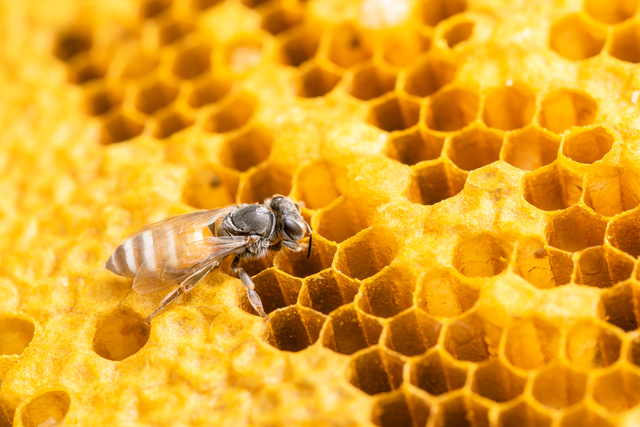
Varroa mites are a top threat to honey bees, as these parasites feed on bees and brood, spreading viruses that can cause: deformed wings, crawling bees, and can even the collapse of the colony in extreme conditions. The alcohol wash is a very widely used method to check if you have this infestation yourself. The technique consists of shaking 300 nurse bees in a jar with isopropyl alcohol for 60 seconds, straining, and counting mites, the aim is to have under 3 mites for each 100 bees. Another way is to uncap drone brood, sugar shake, or use sticky boards test monthly in active seasons.
If mites are detected above safe thresholds there are plenty of methods to get rid of them. The Formic acid and oxalic acid methods are the most used for this specific problem. For the first one, apply formic acid by inserting approved pads or strips into the hive during late summer or broodless periods, ensuring good ventilation and following exact dosage for 7-14 days to kill mites on adults and in capped brood. For the second one, use oxalic acid via dribble, mix 35g in 1L of sugar syrup, and dispense 5mL per brood frame seam. Another way is by vaporization, 1-2g per hive via wand, specifically in winter during broodless times, repeating 3-4 times at 4-7 day intervals for optimal knockdown on phoretic mites. Rotate between these and other options like thymol to avoid resistance, always wear protective gear, heed label rates and temperature restrictions, and verify success by recounting mite levels two weeks post treatment.
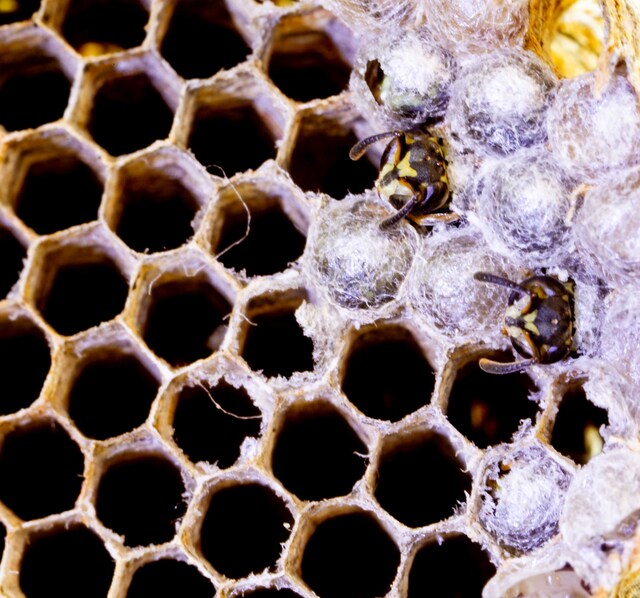
Nosema disease, caused by microscopic fungal parasites primarily Nosema ceranae or Nosema apis, ranks as one of the top threats to honey bees. By invading their gut cells, disrupting digestion, leading to dysentery with brown fecal streaks on hives, chalky white abdomens, trembling or crawling bees, reduced foraging, and sudden spring colony collapses when spore counts exceed 1 million per bee. Don't worry though, as there are incredibly efficient techniques against this. The alcohol wash method is one of them, it adapts well for initial screening, but definitive diagnosis uses microscopy. The technique consists of crushing 20 to 50 abdomens from older foragers in water on a slide, scanning at 400x magnification for oval spores that are 4 to 6 microns long, then quantifying via hemocytometer since treatment threshold is over 1 million spores per bee. Test in early spring and fall when stress peaks, and focus on weak colonies or those with poor hygiene since monthly checks during active seasons help track trends.
Upon confirming high spore loads among the colony, your best choice is the Fumagillin method. The Fumagillin method is widely used around the world. The technique consists of dissolving 90mg per liter of heavy sugar syrup with a 2 to 1 ratio, feeding 250mL per colony daily for 2 to 3 weeks in fall or early spring when temperatures are greater than 50°F or 10°C, and repeating annually since it doesn't eliminate spores in the long term. Also, improve hive ventilation by adding screened bottom boards or upper entrances to lower humidity, requeen with resistant stock, provide diverse pollen sources or supplements for gut health, and sterilize equipment with bleach. Always wear gloves, monitor via follow-up microscopy 4 weeks post treatment, and rotate with probiotics if available to sustain colony vitality.
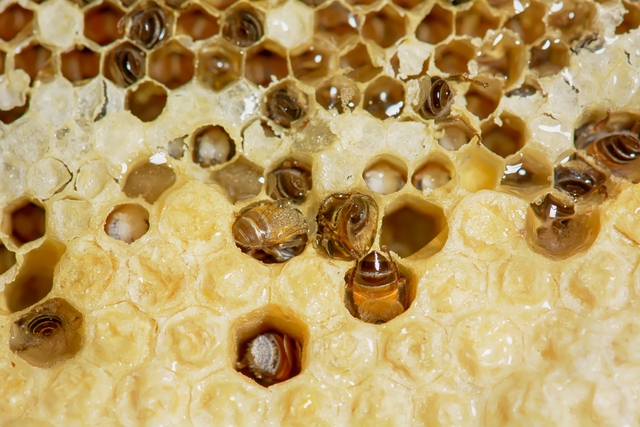
American Foulbrood (AFB), triggered by the bacterium Paenibacillus larvae spores, stands as a highly contagious and notifiable disease that kills sealed brood, turning larvae into melted coffee colored ropey goo that stretches 2 to 3cm when poked, with perforated shotgun cappings, chalky scales, and a distinctive foul caramel odor, ultimately dooming entire colonies through spore persistence in hives for over 50 years if unchecked. Diagnosis starts visually during inspections with sunken cappings and uneven brood, and confirms with rapid field test kits or lab culture and PCR for spores since over 10 spores per gram warrants action. Inspect brood frames monthly in spring and summer, and prioritize new packages or splits while quarantining suspects immediately to prevent spread via robbing bees or drift.
For treatment, destruction is the gold standard due to spore resilience, but prevention and management apply to clean hives. Oxytetracycline (OTC) is a widely used prophylactic method. The technique consists of mixing 200mg per liter of 1 to 1 sugar syrup, feeding 500mL per colony 2 to 3 times at 7 to 10 days intervals in spring prior to brood buildup when temperatures are 60 to 90°F, and never using on confirmed infections since it fosters resistance. Burn infected colonies and frames at over 160°F using a pit or incinerator, irradiate salvageable gear via certified services, shake clean bees onto new foundations with nurse bee boosts and syrup and pollen patties, enforce sterile hive tools with flame or bleach, and register apiaries for official tracing. Post action, test nearby hives monthly and source certified disease free queens to rebuild safely.
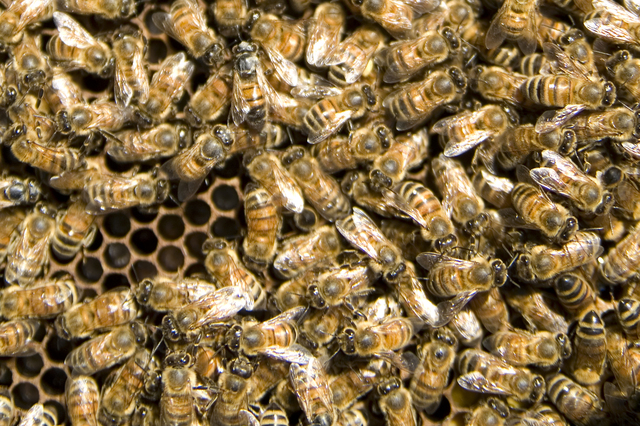
European Foulbrood (EFB), caused by the bacterium Melissococcus plutonius, affects unsealed larvae turning them twisted, melted, and chalky white with a sour smell, irregular brood patterns, and discolored cappings, often stressing colonies during poor nectar flows or cool springs though rarely fatal in strong hives. Diagnosis uses visual inspection during brood checks combined with microscopy of suspicious larvae or rapid field test kits, confirming the bacterium via Gram stain or lab culture since twisted larvae at the cell base with yellow-brown gut contents signal active infection. Inspect monthly during spring buildup, focusing on package colonies or those with nutritional stress, and note that EFB often self resolves as weather improves.
Upon confirming EFB, intervene based on severity while prioritizing colony strength. Oxytetracycline is a widely used method. The technique consists of mixing 200mg per liter of 1 to 1 sugar syrup, feeding one liter per colony every 5 days for three treatments during active brood rearing when temperatures exceed 60°F, specifically avoiding use during honey flow to prevent residues. Shake infected larvae off frames onto clean foundation with nurse bee supplementation and heavy syrup feeding, destroy severe cases by burning, improve nutrition through pollen patties and diverse forage, and requeen persistently weak stock always sterilize tools between hives and verify clearance with follow-up inspections after four weeks.
Small hive beetles (Aethina tumida), small dark brown pests from sub-Saharan Africa, invade hives to breed in pollen stores and honey creating slimy masses called "slime" that ferment and smell yeasty, weakening bees through food loss, harassing adults, and laying eggs that hatch into larvae devouring comb when populations exceed 25 adults per hive. Detection involves checking corners and bottom boards for clustering shiny black beetles 5-7mm long or their crawling yellow white larvae with brown spines during warm months, using in-hive traps baited with oil or pollen patties to confirm numbers. Monitor weekly in late summer through fall in southern climates, shaking bees onto light sheets to count beetles, since rapid reproduction in humid warm conditions drives infestation.
Control small hive beetle requires mechanical traps since chemical options remain limited. Beetle traps are a widely used method. The technique consists of placing oil tray traps like Hood traps under screened bottoms or tray traps filled with vegetable oil inside top supers, checking and refreshing weekly during peak infestation periods when temperatures exceed 70°F to drown 80-90 percent of adult beetles. Use mechanical traps baited with pollen dough in upper boxes, freeze comb infested with larvae before reuse, maintain strong colonies through timely splits and queenright status, and apply screened bottom boards to increase ventilation clean traps weekly, monitor with regular counts, and remove heavy slime immediately to prevent fermentation spread.